Australia’s Great Barrier Reef stretches over 2,300 kilometres along the Queensland coastline, and scattered throughout it are some of the most spectacular island resorts in the world. Whether you want a luxury 5-star escape, an eco-focused retreat or a resort that keeps the whole family entertained, there is a Great Barrier Reef island to match.
This guide breaks down what to look for when choosing a reef island resort, the different types of experiences on offer, and why Hayman Island in the Whitsundays consistently stands out as one of Australia’s most complete island destinations.
What to Look for When Choosing a Great Barrier Reef Resort
With over a dozen island resorts spread across the reef, the right choice depends on what matters most to you. Here are the key factors to weigh up before booking.
1. Reef Access: How Close Are You to the Coral?
Not all Great Barrier Reef islands offer the same proximity to healthy reef. There are three broad categories:
- Walk-in reef access: A small number of coral cay islands in the Southern Great Barrier Reef sit directly on the reef, meaning you can wade straight off the beach and onto living coral. These tend to be eco-focused properties with simpler accommodation.
- Island-based snorkelling: Some islands have fringing reefs or sheltered bays with excellent snorkelling within a short boat ride. Hayman Island’s Blue Pearl Bay is one of the best examples: a protected bay with vibrant coral gardens accessible by a guided boat trip from the resort.
- Outer reef excursions: Most Whitsunday and Far North Queensland islands require a boat or helicopter transfer to reach the outer reef. This adds cost but often means accessing more pristine, less-visited reef sections.
What to ask: Does the resort offer guided reef experiences, or are you left to organise your own? Resorts with in-house marine teams (like InterContinental Hayman Great Barrier Reef) provide a more seamless and educational reef experience.
2. Travel Style: Luxury, Eco or Family?
Great Barrier Reef island resorts fall into distinct categories:
- Luxury 5-star resorts offer fine dining, spa facilities, concierge services and premium suites. Expect polished service and a wide range of guided experiences. Hayman Island sits firmly in this category, with multiple dining venues, a world-class spa and complimentary non-motorised water sports.
- Eco-focused retreats prioritise sustainability and nature immersion over luxury amenities. Expect simpler accommodation (eco cabins, glamping tents), limited WiFi and a focus on marine conservation. These are typically found in the Southern Great Barrier Reef.
- All-inclusive private islands bundle meals, drinks and selected activities into a single nightly rate. This simplifies budgeting but comes at a higher price point. Most are adults-only and accommodate fewer than 40 guests.
- Family-oriented resorts offer kids’ activity programmes, family suites, casual dining and sheltered swimming areas. The best family options provide structured activities for children while giving parents access to adult-focused experiences.
3. Location Along the Reef
The Great Barrier Reef is not one single location. Where you stay shapes what you experience:
- The Whitsundays (central reef): Calm, sheltered waters, white silica sand beaches and easy access from mainland airports. The Whitsundays offer the widest variety of island resorts and the best balance of reef access and resort infrastructure. Hayman Island sits at the northern tip of this archipelago.
- Far North Queensland (Cairns to Cooktown): Remote, wilderness-focused islands with direct access to the outer reef. Longer transfer times but fewer crowds and some of Australia’s most pristine diving sites.
- Southern Great Barrier Reef (Gladstone to Bundaberg): Coral cay islands with walk-in reef access, excellent diving and strong marine wildlife encounters (turtles, manta rays). Accommodation tends to be mid-range rather than luxury.
4. Budget: What Does Great Barrier Reef Accommodation Actually Cost?
Great Barrier Reef island accommodation spans a wide range:
| Resort Type | Typical Nightly Rate | What You Get |
| Eco cabins and reef units | from $250 | Simple, clean rooms on coral cay islands. Walk-in reef access. No frills. |
| Mid-range island resorts | from $350 | Comfortable rooms, on-site dining, guided activities available. |
| Luxury 5-star resorts | from $500 | Premium suites, multiple restaurants, spa, complimentary water sports, guided reef experiences. |
| Ultra-luxury all-inclusive | from $1,000 | All meals, drinks and selected activities included. Boutique properties with fewer than 40 guests. |
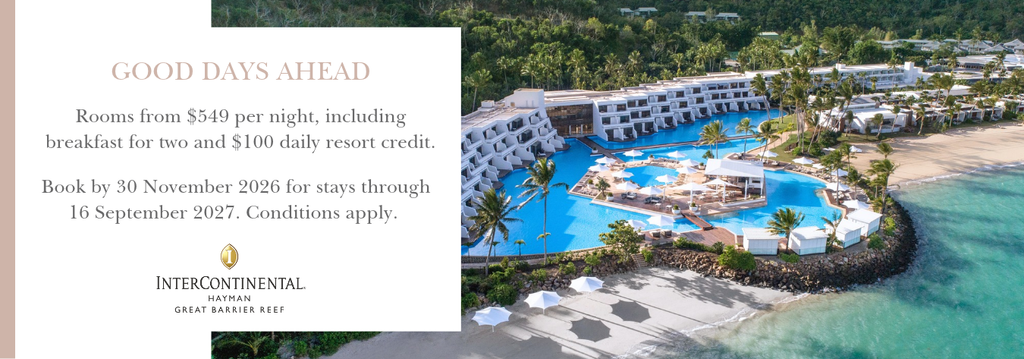
InterContinental Hayman Great Barrier Reef packages start from approximately $550 per night and offer a flexible alternative to all-inclusive pricing, with packages bundling accommodation, dining credits and signature experiences.
Why Hayman Island Stands Out
Among the dozen-plus island resorts on the Great Barrier Reef, InterContinental Hayman Great Barrier Reef occupies a unique position. Here is what sets it apart:
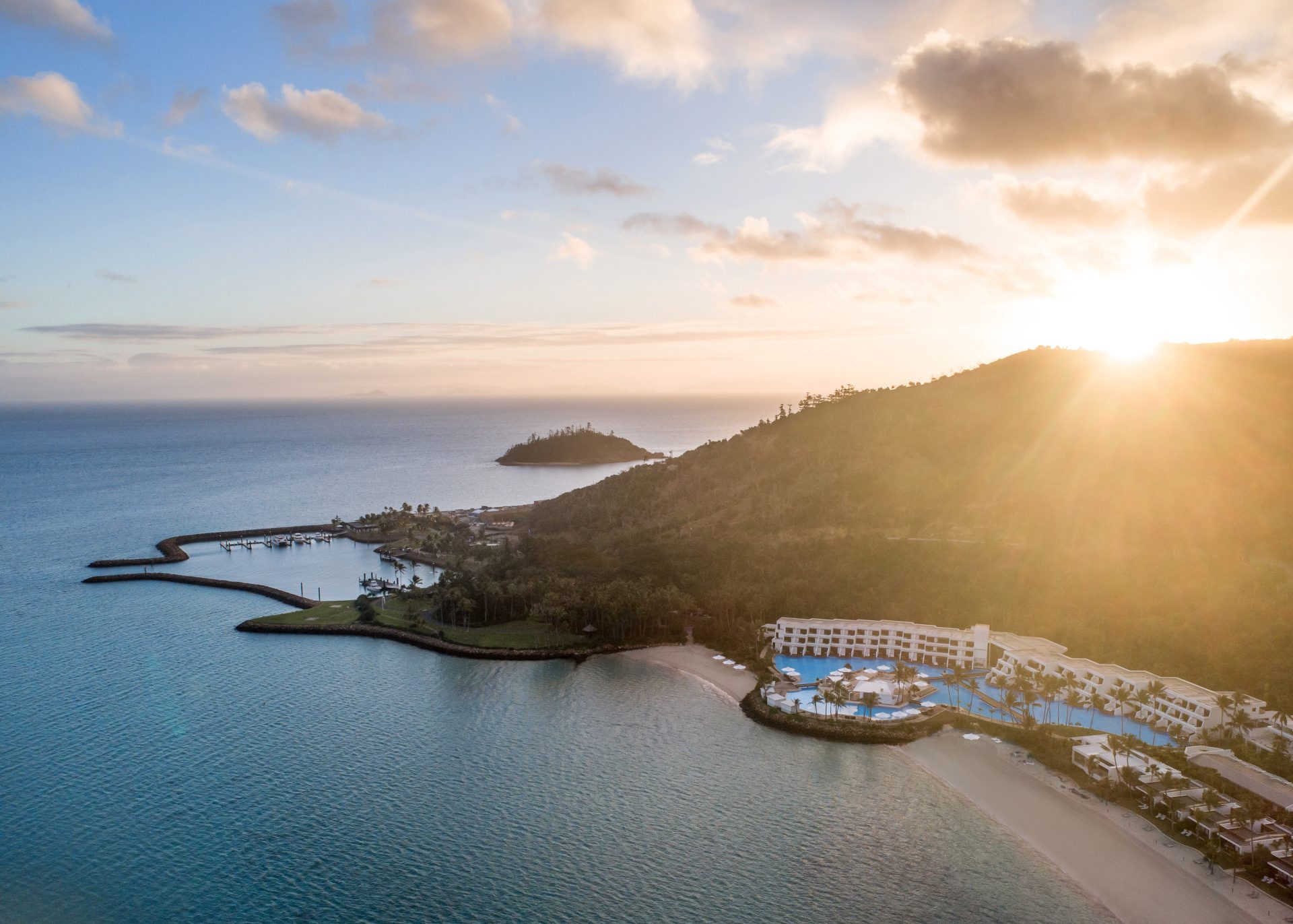
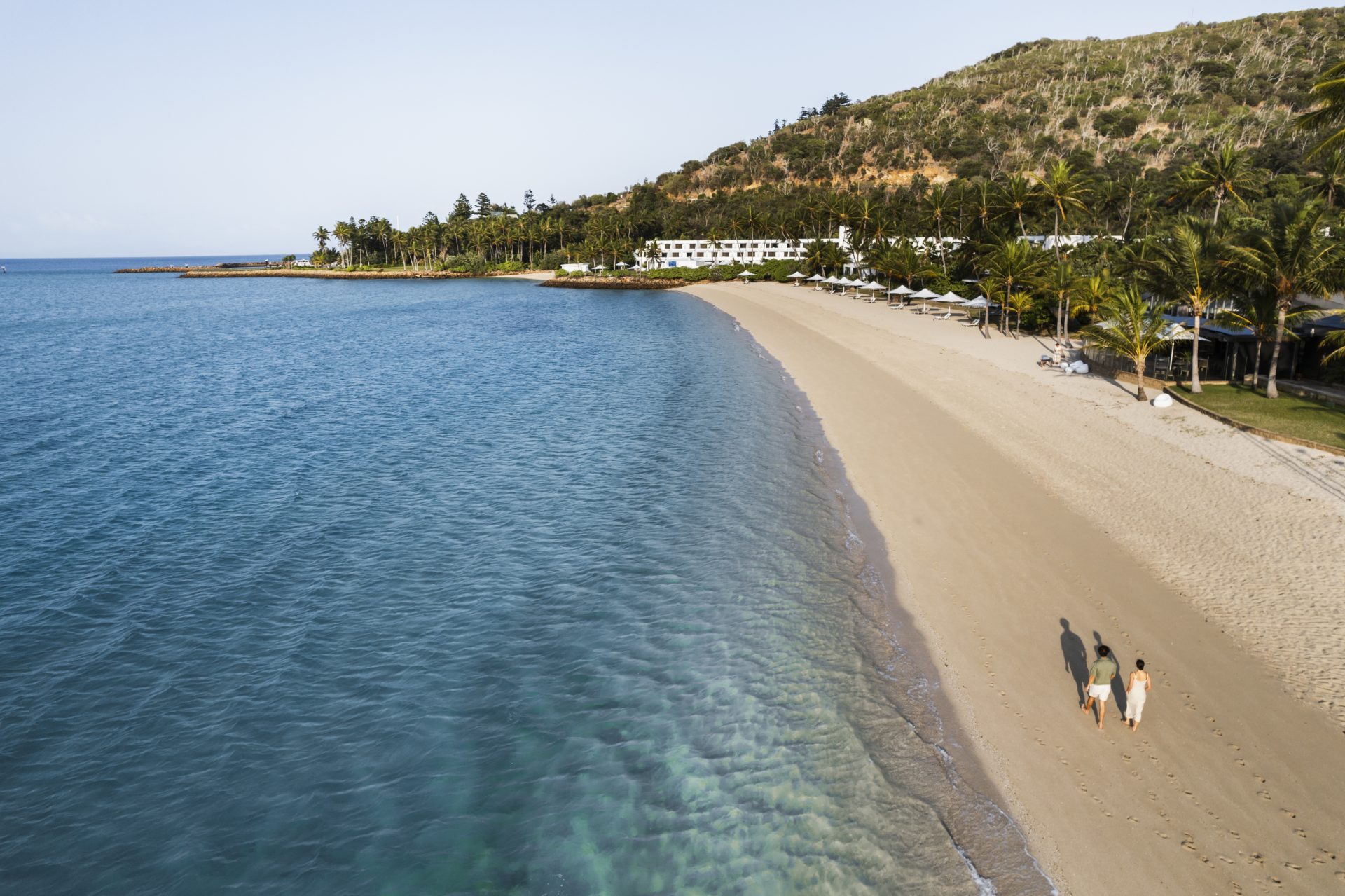
Private island, no day trippers. Hayman is a private island accessible only by luxury boat transfer or helicopter from Hamilton Island. Unlike larger, more developed islands with public access, every beach, trail and facility on Hayman is exclusively for resort guests.
Five-star infrastructure with reef proximity. Hayman combines the service level and amenities of a world-class luxury resort (spa, multiple dining venues, premium suites) with genuine Great Barrier Reef experiences. Guests can snorkel Blue Pearl Bay directly from the island, take a helicopter over Heart Reef, or visit Whitehaven Beach by private charter.
Diverse activities for every guest type. Whether you are a couple seeking romantic experiences, a family with children who need structured activities and safe beach areas, or an adventure traveller chasing reef swims and island hikes, Hayman accommodates all three without compromising on any. Explore the full activity programme →
Domestic convenience. Direct flights from Sydney (2h 30m), Melbourne (2h 45m) and Brisbane (1h 45m) land at Hamilton Island Airport, where the resort’s boat transfer begins. No international flights, no visa requirements, no jet lag. According to Tourism Whitsundays, the Whitsundays remain one of the most accessible reef regions for domestic travellers.
How to Plan Your Great Barrier Reef Island Holiday
Best Time to Visit
According to the Bureau of Meteorology, the Whitsundays’ dry season runs from May to October, delivering warm days (24 to 27°C), minimal rainfall and the best underwater visibility for snorkelling. June to September is the peak window.
How Long to Stay
Three nights is a workable minimum for a reef island stay. Five nights allows a more relaxed pace with time for multiple excursions (reef snorkelling, Whitehaven Beach, island activities) without rushing. For families, five nights is the sweet spot. Browse Hayman Island itinerary suggestions →
Booking Tips
- Book peak season (June to September) three to six months ahead, especially for premium suite categories
- Packages bundling accommodation with dining and experiences offer better value than booking everything separately
- Travel insurance is strongly recommended for reef island stays due to weather-dependent flights and transfers
Browse Hayman Island packages →
Frequently Asked Questions
Where should I stay to see the Great Barrier Reef?
The best place to stay depends on what you want from your trip. For luxury accommodation with diverse activities and easy domestic access, the Whitsundays offer the strongest all-round option. InterContinental Hayman Great Barrier Reef combines five-star service with direct reef access from the island. For walk-in reef snorkelling on a coral cay, the Southern Great Barrier Reef has several eco-focused options. For remote seclusion with outer reef diving, Far North Queensland islands deliver genuine wilderness.
Is Cairns or the Whitsundays better for the Great Barrier Reef?
Both offer excellent reef access, but the experiences differ. Cairns is a mainland city base with day-trip reef excursions and Daintree Rainforest nearby. The Whitsundays offer an island-based experience where you sleep surrounded by the reef rather than commuting from the mainland. If staying on a reef island is important to you, the Whitsundays are the better fit.
What is the best month to visit the Great Barrier Reef?
June to October delivers the best combination of calm seas, excellent visibility and comfortable temperatures, according to the Great Barrier Reef Marine Park Authority. Water visibility peaks between July and September. For turtle nesting, November to March. For manta rays in the Southern Reef, May to August is prime season.
How much does it cost to stay on a Great Barrier Reef island?
Great Barrier Reef island accommodation ranges from around $250 per night for eco cabins on coral cay islands to $550+ per night for luxury 5-star resorts like InterContinental Hayman Great Barrier Reef. Ultra-luxury all-inclusive private islands range from $1,400 to $1,800 per night. Day tour costs (reef trips, Whitehaven Beach excursions) typically add $100 to $250 per adult.